

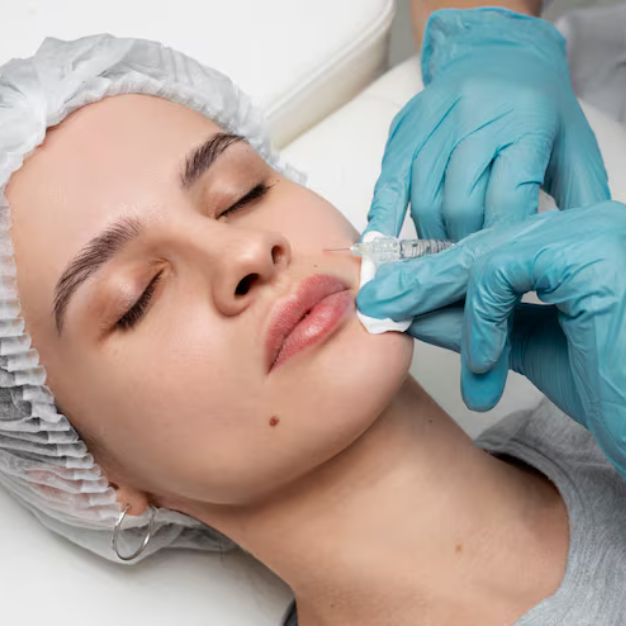
Cheek fillers are one of the most popular non-surgical cosmetic treatments for restoring facial volume, enhancing cheekbones, and creating a more youthful appearance. While the treatment itself is relatively quick, the aftercare period plays a significant role in achieving the best possible results.
Many people focus on choosing the right filler and injector but overlook what happens after the appointment. Proper aftercare can help minimize swelling, reduce bruising, and support a smooth recovery.
If you’ve recently had cheek fillers or are planning to get them, here’s everything you need to know about what to do after the procedure.
What to Expect Immediately After Cheek Fillers
Before discussing aftercare, it’s important to understand what is considered normal.
Following cheek filler injections, you may experience:
- Mild swelling
- Redness around the injection sites
- Tenderness or sensitivity
- Minor bruising
- A feeling of firmness in the treated area
These effects are common and usually temporary. Most swelling and bruising improve within a few days, although subtle swelling can sometimes take a couple of weeks to fully resolve. Full results may not be visible immediately because the filler needs time to settle into the surrounding tissues.
Apply Cold Compresses
One of the easiest ways to reduce swelling and discomfort is to use a cold compress.
Apply an ice pack wrapped in a clean cloth to the treated area for short intervals during the first 24 hours. Avoid placing ice directly on the skin, as this can cause irritation.
Cold therapy may help minimize inflammation and reduce the appearance of bruising.
Avoid Touching or Massaging Your Cheeks
Many patients are tempted to check their results by repeatedly touching their cheeks.
Unless your injector specifically instructs you to do so, avoid:
- Pressing on the treated area
- Massaging the filler
- Excessive facial manipulation
The filler needs time to settle properly. Unnecessary pressure could potentially affect the treatment area during the early healing stage.
Sleep on Your Back
Your sleeping position matters more than many people realize.
For the first few nights after treatment:
- Sleep on your back
- Keep your head slightly elevated
- Avoid sleeping on your side or stomach
This helps reduce pressure on the treated areas and may minimize swelling. Sleeping face-down immediately after fillers can place unnecessary stress on the injection sites.
Stay Hydrated
Hydration supports your body’s natural healing processes.
Drink plenty of water during the first few days after treatment. Proper hydration may help your skin recover more efficiently and can contribute to a healthier overall appearance.
While drinking water won’t directly change your filler results, staying hydrated is generally recommended during recovery.
Avoid Intense Exercise for 24 to 48 Hours
A strenuous workout immediately after fillers may not be the best idea.
- High-intensity exercise can:
- Increase blood flow
- Raise body temperature
- Worsen swelling
- Increase bruising risk
Most providers recommend avoiding vigorous physical activity for at least 24 to 48 hours after treatment. Light walking is generally acceptable unless your injector advises otherwise.
Limit Heat Exposure
For the first couple of days, avoid activities that significantly increase body heat, including:
- Saunas
- Steam rooms
- Hot tubs
- Very hot showers
- Prolonged sun exposure
Heat can contribute to swelling and may prolong the recovery process. Waiting until swelling subsides is usually recommended.
Avoid Alcohol for the First Day
Alcohol can contribute to:
- Increased bruising
- More noticeable swelling
- Delayed recovery
Many practitioners advise avoiding alcoholic beverages for at least 24 hours after treatment, particularly if you are already prone to bruising.
Be Patient With the Results
One of the biggest mistakes people make is judging their results too early.
Immediately after treatment, your cheeks may appear:
- Larger than expected
- Uneven
- Puffier than anticipated
This is often due to temporary swelling rather than the final outcome.
Most fillers require time to integrate with the surrounding tissues. As swelling decreases, the appearance usually becomes more natural and balanced. Many providers recommend waiting at least two weeks before evaluating your final results.
Avoid Scheduling Major Events Immediately After Treatment
Although cheek fillers have minimal downtime, it’s still wise to plan ahead.
If possible, schedule your treatment at least one to two weeks before:
- Weddings
- Photoshoots
- Important business meetings
- Vacations
- Social events
This allows enough time for swelling and bruising to resolve.
When Can You Wear Makeup?
Many providers suggest waiting several hours before applying makeup near the injection sites.
This helps reduce the risk of irritation and limits the chance of introducing bacteria to freshly treated skin. Always follow the specific instructions provided by your injector.
Signs That Require Medical Attention
While serious complications are uncommon, it’s important to know when something may not be normal.
Contact your provider immediately if you experience:
- Severe or worsening pain
- Significant skin discoloration
- White, gray, or dark patches on the skin
- Sudden vision changes
- Excessive swelling that worsens instead of improving
- Signs of infection such as fever, warmth, or pus
Early evaluation is essential whenever unusual symptoms occur after filler treatment.
Frequently Asked Questions
How long does swelling last after cheek fillers?
Most swelling improves within a few days, although mild swelling can persist for up to two weeks in some patients.
Can I wash my face after cheek fillers?
Yes, but be gentle. Avoid aggressive rubbing, scrubbing, or facial massages during the initial recovery period.
When can I exercise again?
Light activities are usually fine, but intense workouts are generally best avoided for 24 to 48 hours after treatment.
Is it normal for cheek fillers to feel firm?
Yes. Temporary firmness can occur during the first few days after treatment and often softens as the filler settles.
Final Thoughts
Cheek fillers can provide impressive facial rejuvenation with minimal downtime, but aftercare remains an important part of the process. Following your provider’s instructions, avoiding unnecessary pressure on the treatment area, limiting strenuous activity, and giving your body time to heal can help support the best possible outcome.
Remember that some swelling, bruising, and tenderness are completely normal after treatment. The key is patience. As the filler settles and the swelling subsides, your final results will gradually become more visible, allowing you to enjoy a refreshed and natural-looking appearance.