

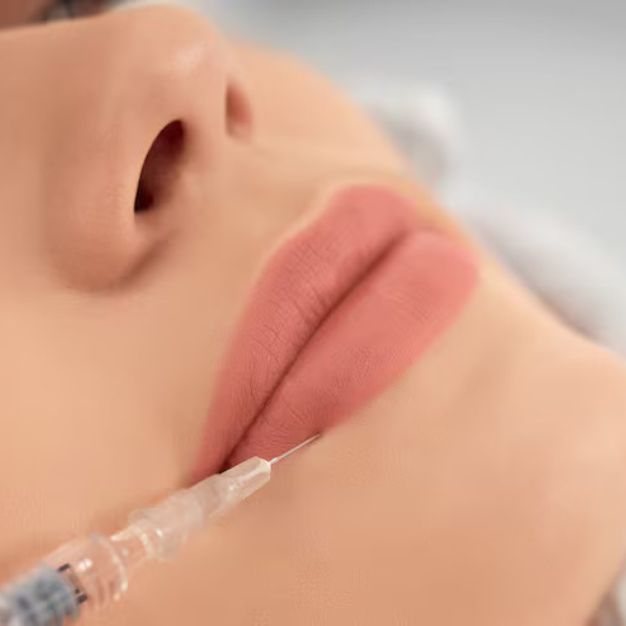
If you’ve spent any time browsing injection supplies or talking shop with other practitioners, you’ve probably had the cannula vs needle conversation at least once. It’s one of those topics that never fully settles because, honestly, there isn’t a single right answer. Both tools have earned their place in aesthetic practice, and the “best” choice really depends on the area you’re treating, the product you’re using, and your own technique.
In this article, we’ll break down how a cannula needle differs from a traditional needle, when each one makes more sense, and what the evidence and clinical experience actually say about safety and results. No hard sell either way — just a practical look at cannula vs needle filler technique so you can make an informed call for your own practice.
What Is a Cannula Needle Used For?
Let’s start with the basics, since the terminology trips people up more than it should. A “cannula needle” is a bit of a misnomer that’s stuck around in common usage — a cannula is technically not a needle at all, though it’s inserted through a small entry point made by a standard hypodermic needle first.
A cannula is a flexible, blunt-tipped tube, usually with a side-opening port near the tip rather than a sharp point at the end. Because the tip is blunt, it can’t puncture through tissue the way a needle can — instead, it’s designed to glide through subcutaneous tissue, gently pushing vessels and nerves aside rather than piercing them. That single design difference is really the whole story behind why cannulas and needles behave so differently in clinical use.
A standard filler needle, on the other hand, is sharp at the tip, allowing for direct, precise entry into tissue at a specific depth and angle. It’s what most practitioners trained on first, and it’s still the default tool for a huge share of filler treatments.
Cannula vs Needle: The Core Differences
Before getting into pros and cons, it helps to see the difference between cannula and needle laid out side by side.
Tip design: Needles are sharp-tipped for precise, controlled entry. Cannulas are blunt-tipped with a side port, built to move around structures instead of through them.
Entry points: A needle typically requires multiple entry points across a treatment area. A cannula usually needs just one entry point (made with a small needle stick first), from which the practitioner can fan out across a wider area.
Tissue trauma: Needles create a new puncture with every pass. Cannulas, once inserted, tend to cause less cumulative tissue disruption because they’re not repeatedly piercing skin and vessels.
Precision: Needles allow for very exact, targeted placement — useful for fine detail work. Cannulas move more freely beneath the skin, which is great for even product distribution but offers less pinpoint control.
Learning curve: Needle technique is usually taught first and feels more intuitive early on. Cannula technique takes more practice to master the “feel” of navigating tissue planes blindly.
Pros of Cannula Technique for Fillers
Lower risk of vascular complications. This is the headline benefit of cannula for filler injection. Because the tip is blunt, a cannula is far less likely to penetrate a blood vessel wall. It can push a vessel aside rather than puncture it, which meaningfully reduces the risk of intravascular injection — one of the most serious complications in filler work, potentially leading to vascular occlusion, tissue necrosis, or in rare cases, vision loss when working near the eyes.
Fewer entry points, less trauma. A single entry point can allow access to a broad treatment area, which typically means less bruising and swelling overall, and a more comfortable recovery for the client.
Smoother, more even product distribution. Because the cannula can fan out in multiple directions from one entry point, it’s often easier to achieve a natural-looking, even spread of product — particularly useful in areas like the cheeks, temples, and under-eye hollows.
Often more comfortable for the client. Fewer needle sticks generally means less discomfort during the procedure, and reduced downtime afterward.
Cons of Cannula Technique for Fillers
Steeper learning curve. Navigating a blunt cannula through tissue planes without direct visual feedback takes real skill. Practitioners new to the cannula technique often need more hands-on training and practice before they’re fully confident with it.
Less precision in tight spaces. For very fine, targeted work — think lip borders, philtrum columns, or precise vermillion definition — a cannula’s broader movement can make it harder to achieve the same pinpoint accuracy a needle offers.
Can feel less “controlled” to some practitioners. Because you’re relying more on tactile feedback and anatomical knowledge than direct visualisation of the tip, some practitioners find cannula work requires more confidence and experience to execute smoothly.
Longer procedure time in some cases. Threading a cannula and fanning through tissue can sometimes take longer than a series of quick needle injections, depending on the area and the practitioner’s familiarity with the technique.
Pros of Needle Technique for Fillers
Precision where it matters most. For detailed work — lip borders, fine lines, small volume corrections — a needle’s sharp tip allows for exact placement that’s hard to replicate with a cannula.
Familiarity and shorter learning curve. Needle technique is typically the first skill taught in aesthetic training, so most practitioners are highly comfortable and confident with it from early in their careers.
Faster for certain treatments. For small, targeted areas, a few quick needle injections can sometimes be more time-efficient than cannula threading.
Better tactile feedback in some tissue planes. Some practitioners feel they have a clearer sense of depth and placement with a needle, particularly in areas with thin or highly mobile skin.
Cons of Needle Technique for Fillers
Higher risk of vascular injury. The sharp tip that gives needles their precision is also what makes them more likely to nick or puncture a blood vessel, increasing the risk of vascular complications compared to cannula injections.
More entry points, more trauma. Treating a larger area typically means multiple needle sticks, which can mean more bruising, swelling, and discomfort for the client.
Requires very precise anatomical knowledge. Because needles go exactly where they’re aimed, thorough knowledge of vascular anatomy in each treatment zone is essential to injecting safely.
Cannula vs Needle for Lip Filler
Lip fillers deserve their own mention because this is where the cannula vs needle debate comes up constantly. Both techniques are widely used with lip filler products like Revolax, and the choice often comes down to the specific goal.
For adding volume through the body of the lip, a cannula can distribute product smoothly and evenly with less bruising, which many clients appreciate given how vascular the lips are. For defining the vermillion border, sharpening the cupid’s bow, or making very fine corrections, a needle typically offers more precision.
Many practitioners actually combine both in a single lip filler cannula vs needle approach — using a cannula for bulk volume in the body of the lip, then switching to a needle for detail work along the border. There’s no universal rule here; it comes down to client anatomy, desired outcome, and practitioner preference.
Cannula vs Needle for Cheek Filler
Cheek filler is another area where cannula technique tends to shine. The mid-face contains a dense network of blood vessels, and the volume typically needed for cheek augmentation — often with a firmer, higher-lift product such as Kairax or Regenovue — makes a single entry point with broad fanning particularly appealing. A cannula cheek filler approach can reduce the number of needle sticks needed to cover the zygomatic and submalar regions while lowering vascular risk in an area where the facial artery and its branches run close to the surface.
That said, needles are still commonly used for cheek filler, especially for smaller, more targeted volume adjustments or when working with very specific injection points based on a practitioner’s preferred technique.
Choosing the Best Cannula for Filler Injection
If you’ve decided cannula technique is right for a given treatment, gauge selection matters. Browsing the full range of needles and cannulas shows options typically spanning from around 22G to 30G, with the right choice depending on the treatment area and product viscosity.
Larger gauge cannulas (lower numbers, like 22G–25G) are generally used for higher-viscosity fillers and larger volume areas like cheeks or jawline. Finer gauge cannulas (27G–30G) tend to suit thinner-skinned areas or lower-viscosity products, such as under-eye treatments or fine-line correction.
Length also matters — longer cannulas allow for broader fanning from a single entry point, while shorter ones offer more control in smaller treatment zones. Ultimately, the “best” cannula for filler injection is the one matched to the specific product, area, and technique you’re using, rather than a single universal option.
So, Which Should You Use?
Here’s the honest answer: neither technique is objectively “better” across the board. The difference between cannula and needle really comes down to matching the tool to the job.
Cannula injections tend to make more sense when:
- Treating larger, more vascular areas (cheeks, temples, under-eyes)
- Minimising bruising and downtime is a priority
- You want even product distribution across a broad area
Needle technique tends to make more sense when:
- Precision is the priority (lip borders, fine lines, small corrections)
- You’re working in a smaller, more targeted area
- Speed for a very localised treatment matters
Many experienced practitioners use both, often within the same treatment session, choosing whichever tool suits each specific step. Skill, anatomical knowledge, and sound technique matter more than which tool you’re holding — but understanding the strengths and limitations of each gives you the flexibility to choose the right one for every client and every area.
Final Thoughts
The cannula vs needle debate isn’t really about picking a side — it’s about building a technique toolkit that lets you adapt to whatever treatment is in front of you. Cannulas offer real safety advantages in higher-risk, higher-volume areas, while needles still hold their ground for precision work. Getting comfortable with both, and knowing when each one is the right call, is what separates a good injector from a great one.
FAQs
What is a cannula needle used for?
A cannula needle (more accurately, just a “cannula”) is used to inject dermal filler and other injectables beneath the skin through a blunt, flexible tube rather than a sharp point. It’s inserted through a small entry point made with a standard needle, then guided through tissue to deliver product across a wider area with fewer punctures.
What’s the main difference between cannula and needle?
The core difference comes down to the tip. Needles are sharp and puncture directly through tissue, offering precise, targeted placement. Cannulas are blunt-tipped and glide around structures like vessels and nerves rather than through them, which generally means less tissue trauma but less pinpoint control.
Is cannula or needle safer for filler injections?
Cannulas are generally considered lower risk when it comes to vascular complications, since the blunt tip is less likely to puncture a blood vessel. That said, needle technique is very safe in experienced hands when combined with sound anatomical knowledge — safety depends as much on practitioner skill as on the tool itself.
Is cannula or needle better for lip filler?
Both are widely used for lips. Cannulas tend to suit adding volume through the body of the lip with less bruising, while needles typically offer more precision for defining the vermillion border or cupid’s bow. Many practitioners use a combination of both within the same treatment.
Does cannula injection hurt less than needle injection?
Because a cannula usually needs only one entry point compared to multiple needle sticks, clients often report less discomfort and less bruising with cannula technique. Individual experience varies depending on the treatment area and product used.
What gauge cannula is best for filler injection?
It depends on the area and product viscosity. Larger gauge cannulas (around 22G–25G) are typically used for higher-viscosity fillers and larger areas like the cheeks, while finer gauges (27G–30G) suit thinner-skinned areas or lower-viscosity products, such as under the eyes.
Is cannula technique harder to learn than needle technique?
Yes, generally. Needle technique is usually taught first in aesthetic training and feels more intuitive early on. Cannula technique takes more practice, since practitioners are navigating tissue planes largely by feel rather than direct visual feedback.
Can cannula and needle be used together in the same treatment?
Absolutely — this is common practice. A practitioner might use a cannula to distribute volume evenly across a broader area, then switch to a needle for fine detail work, such as lip borders or precise contouring.